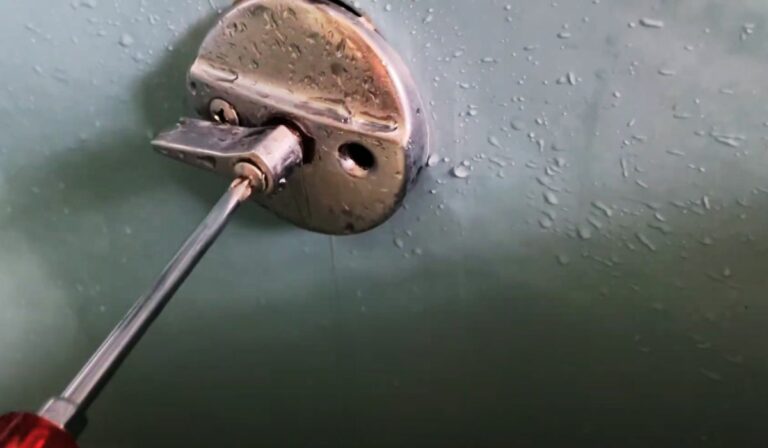

How to Tighten Bathtub Faucet

To tighten your bathtub faucet, first turn off the water supply to avoid leaks. Then, remove the handle by loosening its screw, often hidden under a cap. Use an adjustable wrench or screwdriver to tighten the faucet’s stem, packing nut, or retaining nuts gently—don’t overtighten. Secure any loose mounting screws or seats you can access. Once snug, test for leaks to ensure a proper seal. If you want to tackle this step by step, you’ll find more details ahead.
Tools Needed for Tightening a Bathtub Faucet
To tighten a bathtub faucet effectively, you’ll need a few essential tools. Start with an adjustable wrench to grip and turn nuts without slipping. A screwdriver set—both flathead and Phillips—will help you remove or tighten screws on the faucet handle or trim. You should also have a pair of pliers ready to hold small parts steady while you work. Keep a flashlight handy to see inside tight spaces clearly.
To protect the faucet’s finish, use a cloth or tape when applying the wrench. Lastly, have some plumber’s tape on hand to seal threaded connections if needed. With these tools ready, you’ll be set to tackle the tightening process smoothly and avoid unnecessary damage.
Identifying the Type of Bathtub Faucet
How can you tell which type of bathtub faucet you have? First, look at the handle setup. If your faucet has separate hot and cold handles, you likely have a two-handle faucet.
A single handle that moves up and down or side to side usually means you have a single-handle faucet.
Check if your faucet has a clip or a screw on the handle—this often indicates a cartridge or compression valve inside.
Also, observe the spout style; some faucets have a diverter lever on the spout to switch water flow between the tub and shower.
Identifying the type helps you understand which parts you’ll need to access when tightening.
Knowing your faucet type ensures you approach the process correctly and avoid damaging components.
Turning Off the Water Supply
Before you start tightening your bathtub faucet, make sure you turn off the water supply to prevent leaks or water damage. Locate the main water shut-off valve for your home, usually found near the water meter or where the main line enters your house. Turn this valve clockwise to stop the water flow.
If your home has individual shut-offs for the bathroom, use those instead—they’re often under the sink or near the bathtub. After closing the valve, open the bathtub faucet to release any remaining water and reduce pressure. This step ensures you won’t get sprayed or face unexpected leaks while working.
Double-check that water has fully stopped before proceeding to tighten the faucet, keeping your workspace dry and safe.
Removing the Faucet Handle
Wondering how to remove your bathtub faucet handle without causing damage? First, check for a small screw holding the handle in place. This screw is often hidden under a decorative cap or on the side. Gently pry off the cap with a flathead screwdriver if needed.
Use the correct screwdriver to loosen and remove the screw. Once the screw is out, carefully pull the handle straight off the faucet stem. If it feels stuck, wiggle it slightly or use a handle puller tool to avoid snapping or scratching.
Avoid forcing the handle off, as that can cause damage. With the handle removed, you’ll have clear access to the faucet components for the next steps. Keep track of all parts to ensure easy reassembly later.
Tightening the Faucet Components
Once you’ve removed the handle, you can tighten the faucet components to stop leaks and improve function.
Start by locating the packing nut or retaining nut around the stem assembly. Use an adjustable wrench or appropriate-sized spanner to gently tighten it clockwise. Don’t overtighten; a firm turn is enough to compress the packing and create a seal.
Next, check the valve stem itself for looseness. If it wiggles, tighten its mounting screws with a screwdriver.
Inspect the seat inside the faucet body if accessible; tighten or replace it if damaged.
Finally, ensure all connections, including any bonnet nuts, are snug. By carefully tightening these parts, you’ll prevent drips and restore smooth faucet operation without causing damage.
Testing the Faucet for Leaks and Secure Fit
Although tightening the faucet components improves function, you still need to test the faucet for leaks and ensure everything fits securely. Start by turning the water supply back on slowly to avoid pressure shocks. Watch closely around the tightened areas for any drips or moisture.
If you spot leaks, tighten the connections a bit more or check the washers and seals for damage. Next, run the faucet for a few minutes to confirm steady water flow without leaks.
Also, gently wiggle the faucet handles and spout to ensure they don’t feel loose or unstable. If you notice any movement, tighten mounting nuts or screws.
Once everything feels solid and leak-free, you’ve successfully secured your bathtub faucet and can enjoy its reliable performance.
Frequently Asked Questions
How Often Should I Tighten My Bathtub Faucet?
You should tighten your bathtub faucet whenever you notice leaks or wobbling. Regularly check it every few months to avoid problems. Don’t wait for drips; catching issues early saves you from bigger repairs later.
Can a Loose Faucet Cause Water Damage?
Yes, a loose faucet can cause water damage by leaking water that seeps into walls or floors. If you don’t fix it promptly, mold and structural issues might develop, leading to costly repairs down the line.
What if Tightening Doesn’T Stop the Leak?
If tightening doesn’t stop the leak, you’ll need to replace worn-out washers or seals. Sometimes the faucet cartridge or valve needs swapping. If unsure, don’t hesitate to call a plumber to avoid further damage.
Is It Safe to Tighten Faucets Without Plumbing Experience?
Yes, you can tighten faucets safely if you’re careful, but don’t overdo it. If you’re unsure or the leak persists, it’s best to call a plumber to avoid causing damage or making the problem worse.
Can Tightening Improve Water Pressure?
Tightening a faucet can improve water pressure if a loose connection causes leaks or drips. However, it won’t fix issues like clogged pipes or low municipal pressure. You’ll need other solutions for those problems.
Conclusion
Now that you know how to tighten your bathtub faucet, you can easily fix leaks and improve its function. Just gather your tools, identify your faucet type, and remember to turn off the water supply before starting. Removing the handle and tightening the components will stop drips and secure everything in place. Finally, test your faucet to ensure it’s leak-free and tightly fitted. With these simple steps, your bathtub faucet will work smoothly again in no time.